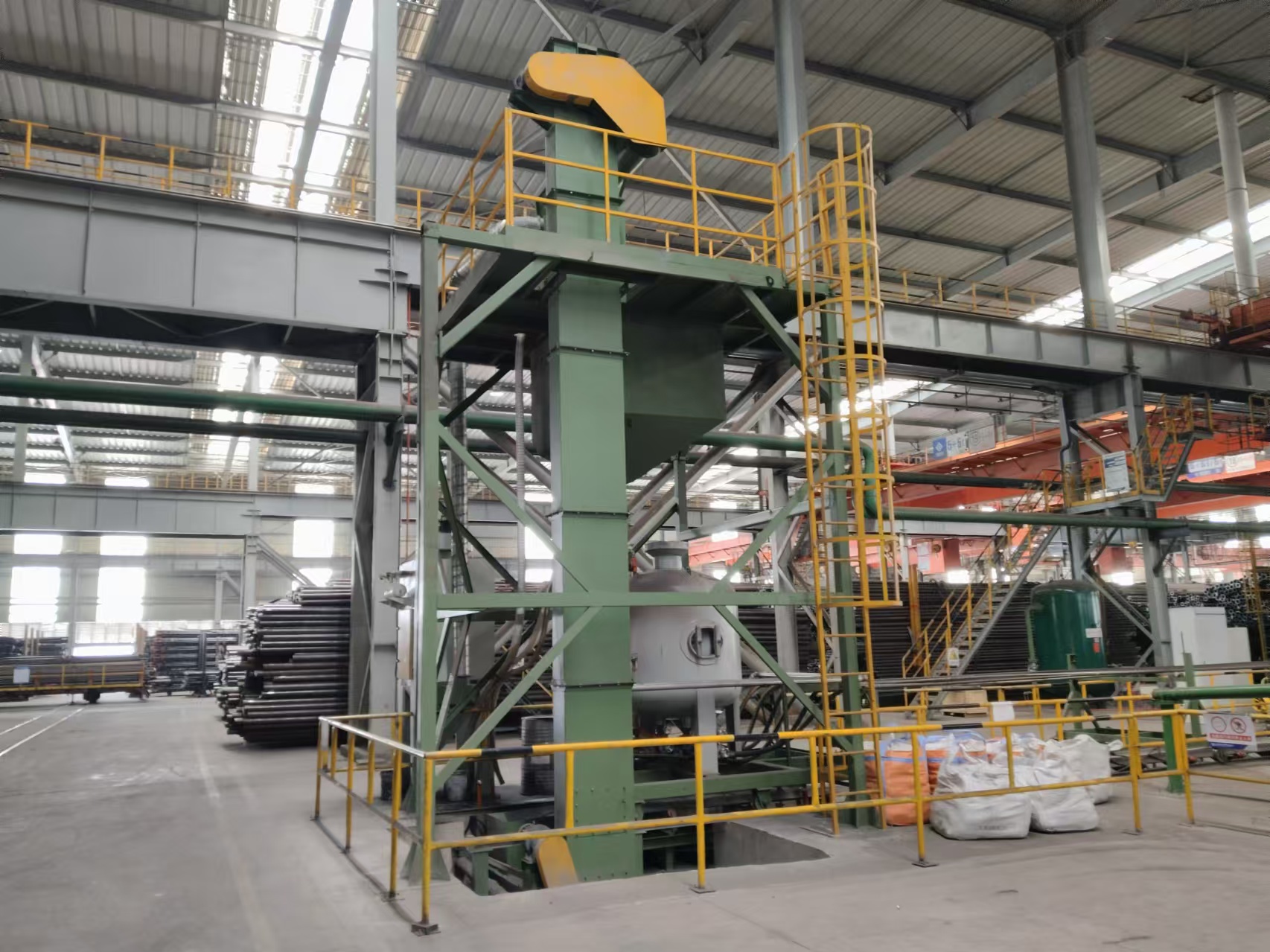
A wide range of sandblasting and rust-removal techniques is used on steel pipes worldwide. The primary methods include:
🇨🇳 Rust Removal Techniques in China
- Manual Rust Removal: Using wire brushes or sandpaper. Best for small-scale or outdoor tasks.
- Mechanical Rust Removal: Using rotary or impact tools like external pipe descaling machines. Ideal for concentrated, large-scale projects.
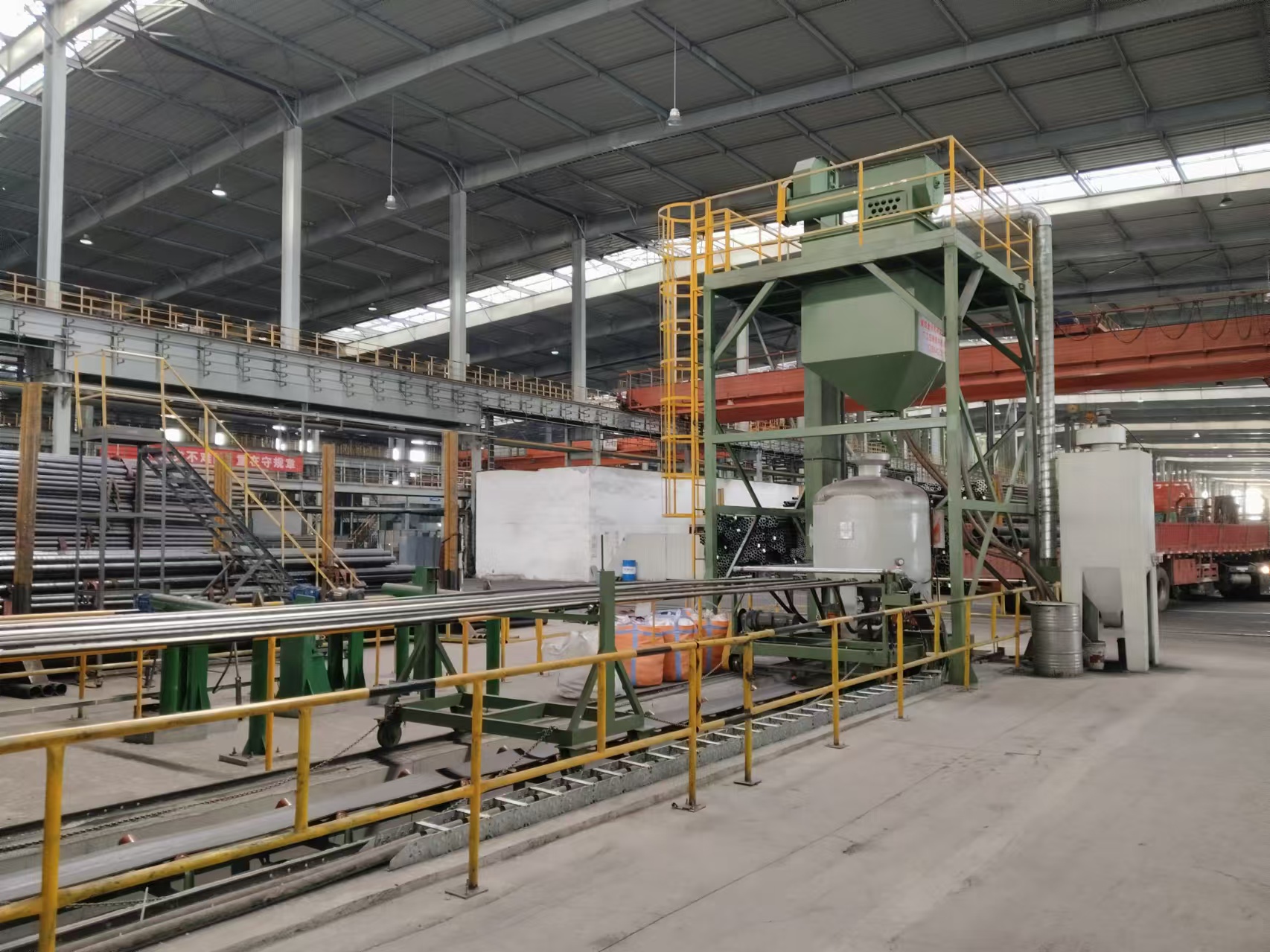
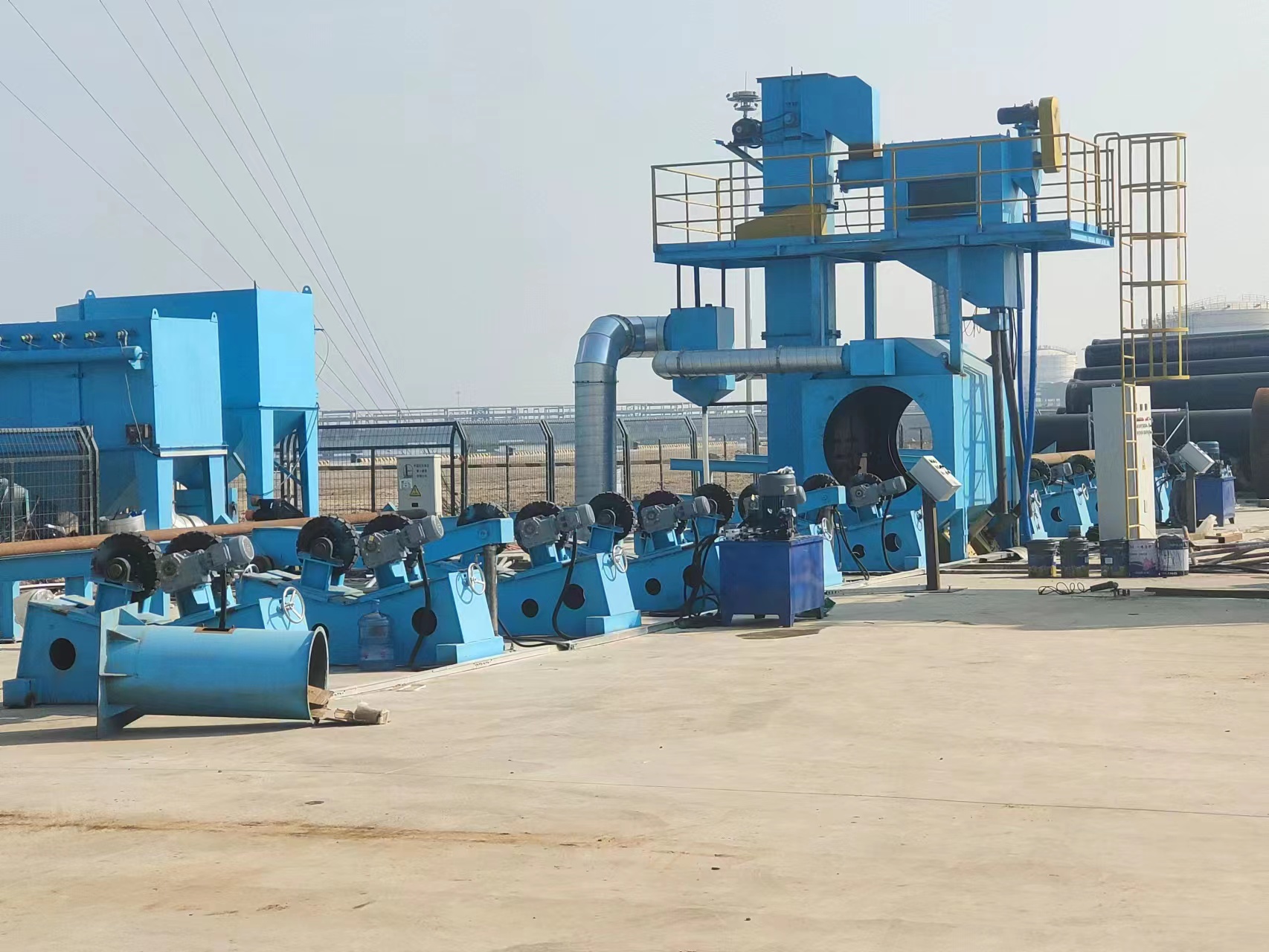
- Sandblasting: Utilizing compressed air to blast abrasives. High efficiency and excellent finish, but requires strict dust control.
- Pickling: Chemical agents (phosphoric or hydrochloric acid) remove rust layers. Requires thorough post-cleaning.
- High-Pressure Water Jetting: Fast and effective for surface contaminants, often combined with other methods for severe rust.
🌎 Rust Removal Methods Abroad
International methods often prioritize automation and environmental protection:
- Electrolytic Removal: Uses chemical reactions to transfer rust into an electrolyte. Environmentally friendly with minimal pipe damage.
- Vacuum Sandblasting: Immediately collects abrasive particles, reducing pollution.
- Laser Rust Removal: High precision and non-contact, vaporizing rust instantly.
- Wet Sandblasting: Eliminates dust pollution by using wet abrasives, often with corrosion inhibitors.
📊 Comparative Analysis
| Feature | China's Methods | Overseas Methods | | :--- | :--- | :--- | | Eco-Friendliness | Growing awareness and adoption | High priority (Laser, Electrolytic) | | Automation | Rapidly developing | Highly automated systems | | Cost-Effectiveness | High (Competitive pricing) | Higher upfront, better long-term ROI |
In summary, both China’s and overseas steel pipe shot blasting and sandblasting rust removal methods have their own advantages. The choice depends on specific production requirements and budgets.
#Steel Pipe#Industry News#Rust Removal#Global Technology